.jpg)
Kci-peskiyak
A Living Heritage
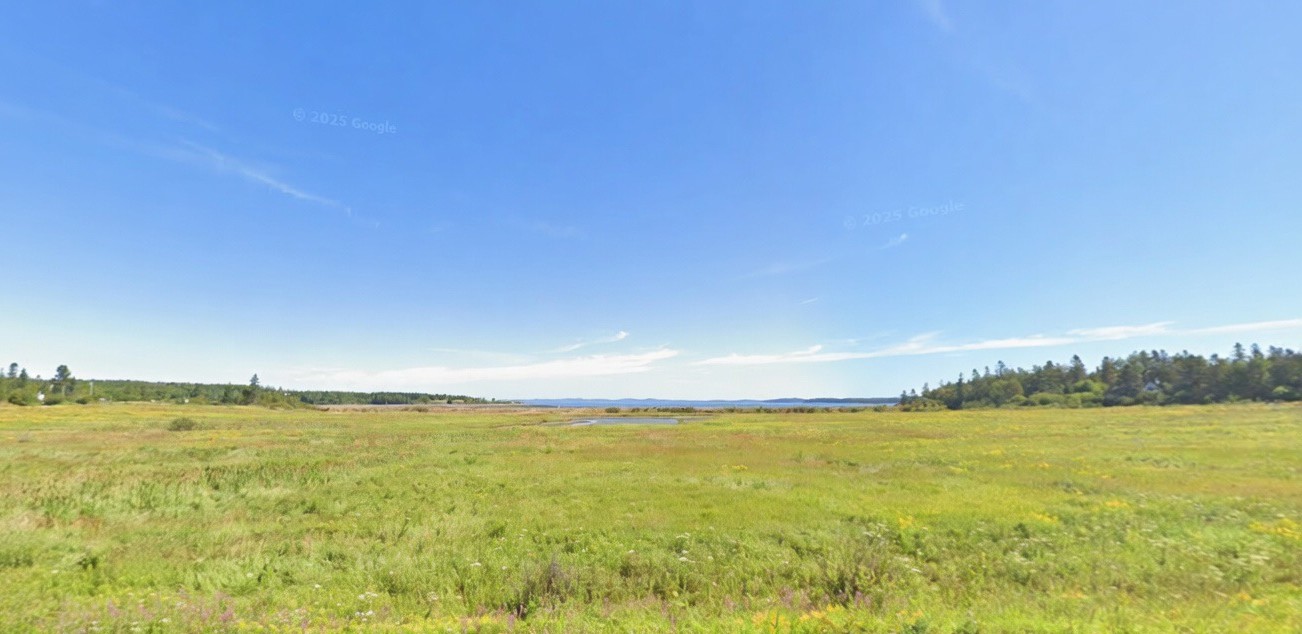
For the Passamaquoddy people, Kci-peskiyak has been a place of cultural and historical significance since time immemorial, a transboundary coastal homeland at the Sipayik/Eastport edge of Cobscook Bay in Maine. The bay itself takes its name from a Wabanaki/Passamaquoddy word often translated as "boiling tides," a reflection of the extraordinary tidal pulse that regularly reaches 24 feet and at times approaches 28 feet. It drives cold, nutrient-rich water through coves and flats, sustaining exceptional productivity and biodiversity. The area is a thriving salt marsh that supports extensive stands of sweetgrass, a plant of profound cultural, spiritual, and traditional importance to the Passamaquoddy community. It is also home to eelgrass meadows that shelter juvenile fish and shellfish, improve water quality, and help stabilize shorelines. Their practice blends Indigenous knowledge and applied marine science, prioritizing hands‑on learning on the land and water, culturally grounded interpretation, and careful monitoring of foundation habitats. Together, these relationships to place, tide, and community make the site a living archive and an ideal setting to model place-based resilience.
A Changing Climate
The Gulf of Maine is warming faster than most of the world's oceans, with recent years among the warmest on record. Rising seas and more frequent coastal flooding are amplifying erosion and inundation risks for the shorelines and intertidal habitats the community depends on. The site's geography makes it particularly vulnerable. For instance, a rise of only a few feet in sea level would be enough to completely inundate the site, threatening not only its ecological foundations but the carbon-rich soils beneath it that serve as a significant carbon sink for the region. Eelgrass meadows are under additional pressure from warmer waters, seagrass wasting disease, and invasive European green crabs. Surveys in 2024 and 2025 documented steep eelgrass losses across multiple Downeast and midcoast embayments.
A Path Forward
Kci-peskiyak is joining the Preserving Legacies 2026 Cohort to strengthen climate-ready cultural interpretation, planning, and cross-site knowledge exchange. Using NOAA's Sea Level Rise Viewer and scenario guidance, the community is working with partners to visualize future flooding, access constraints, and marsh migration. Regular community monitoring of tides, species, and access conditions, alongside storytelling and place-based interpretation with youth and elders, keeps knowledge of this landscape flowing between generations.