Mosi-Oa-Tunya / Victoria Falls World Heritage Site
A Living Heritage
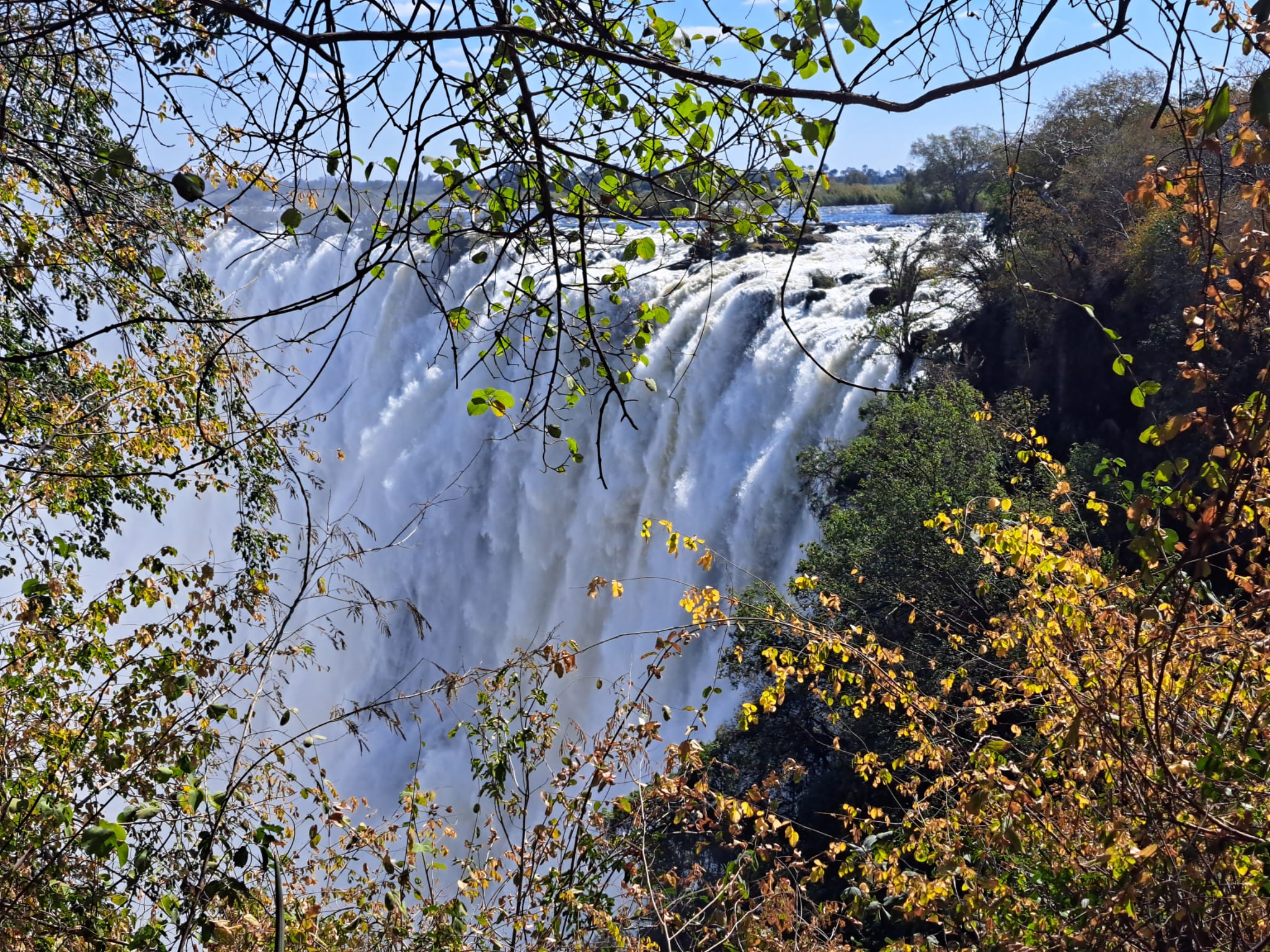
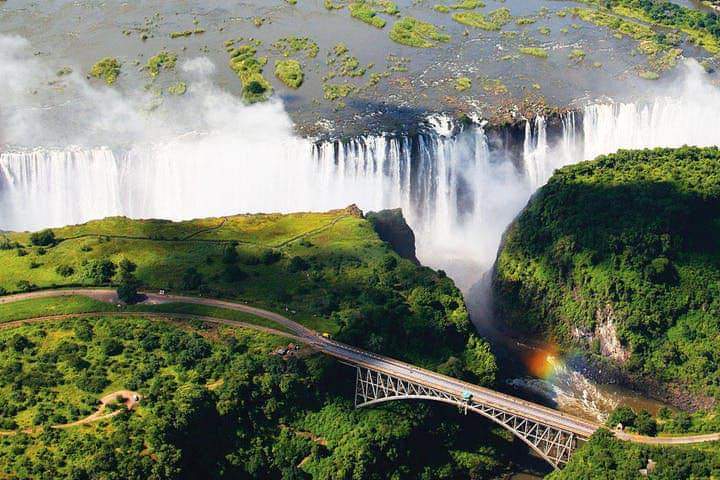
Fondly known as "The Smoke that Thunders," Victoria Falls is one of the most spectacular waterfalls on Earth, formed by the Zambezi River as it plunges over a 60 to 108 meter vertical basalt cliff into a deeply incised chasm, creating the widest continuous curtain of falling water in the world. The powerful spray plume maintains a permanently moist microclimate that supports an ecologically rare and relict spray-zone rainforest, an isolated enclave of moisture-dependent flora found nowhere else within the surrounding semi-arid savanna. Together with diverse wildlife, riverine habitats, and a dramatic series of downstream gorges, the site presents an outstanding example of evolving geomorphological processes and natural beauty of the highest international significance. This holistic interaction of geology, ecology, microclimate, and aesthetic grandeur is extremely rare globally and central to its Outstanding Universal Value as a UNESCO World
A Changing Climate
The most significant climate threat facing Victoria Falls is a growing pattern of reduced and highly erratic water flow in the Zambezi River, driven by prolonged droughts, delayed rainfall, shortened wet seasons, and rising temperatures. As the spray diminishes, the unique spray-zone rainforest, sustained entirely by mist, faces degradation, species loss, and long-term ecological shifts as its microclimate becomes less stable. More extreme weather events, including severe droughts and intense rainfall, are increasing risks of erosion and slope instability, while rising regional temperatures place additional heat stress on vegetation and wildlife. These pressures also carry serious socio-economic consequences, as reduced flows and ecological degradation diminish the scenic value of the Falls, undermine tourism, and disrupt river-based livelihoods for communities that depend on this iconic site.
A Path Forward
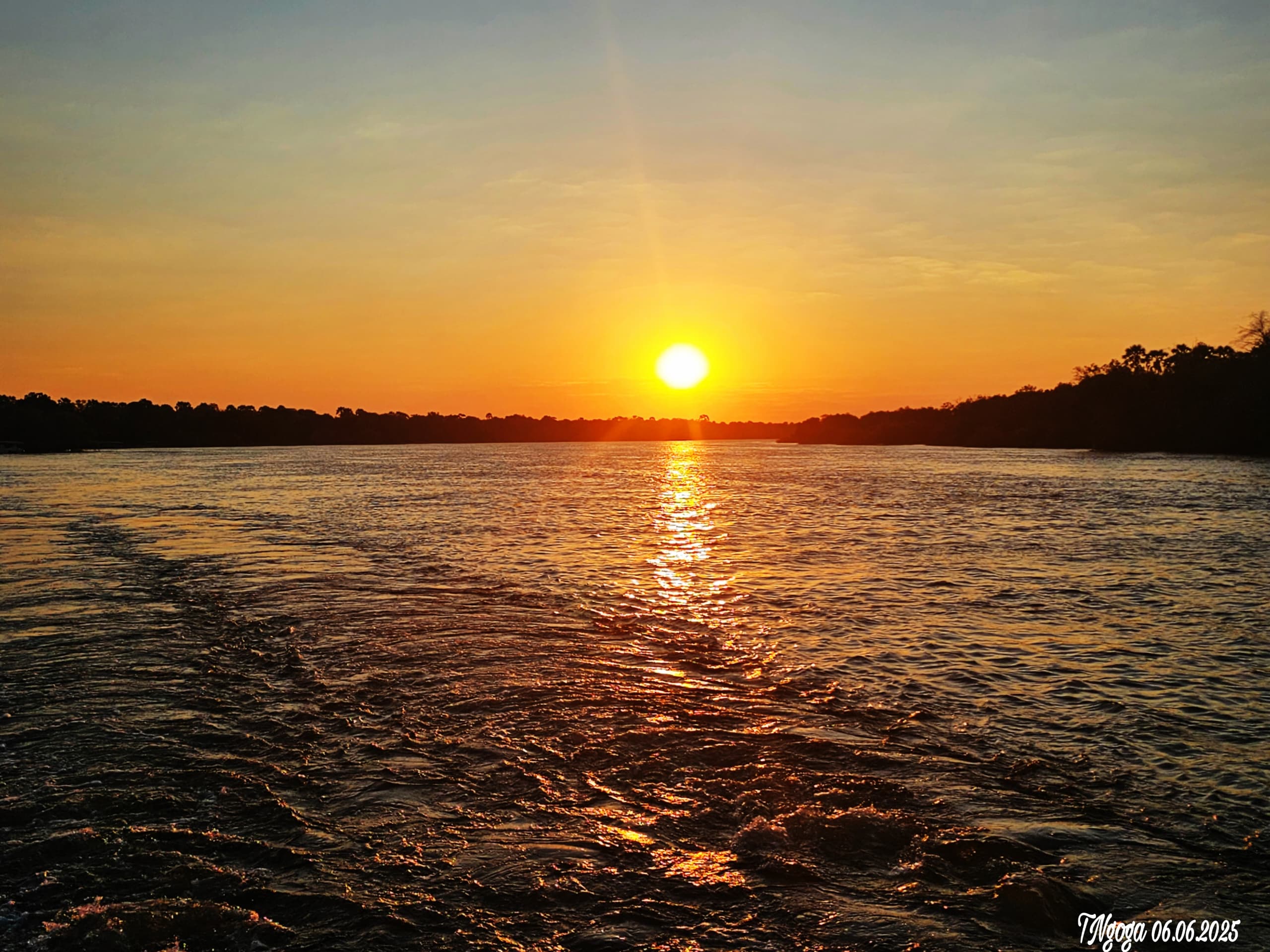
Victoria Falls is joining the Preserving Legacies 2026 Cohort to build capacity in climate adaptation and mitigation, gaining access to state-of-the-art climate hazard and vulnerability assessments, international expertise, and new methodologies for climate-risk monitoring. Participation will strengthen adaptive management on both the Zambian and Zimbabwean sides of the property, support community resilience for those who depend on the Zambezi River, and generate evidence-based climate adaptation plans to ensure Victoria Falls remains resilient and vibrant for future generations.